
Could the Unknowns on Your Site Hold Up Your Spring Build?
For developers and main contractors, spring can bring a noticeable increase in construction activity. Projects move forward, contractors are mobilised, procurement is underway and construction programmes become increasingly difficult to change.
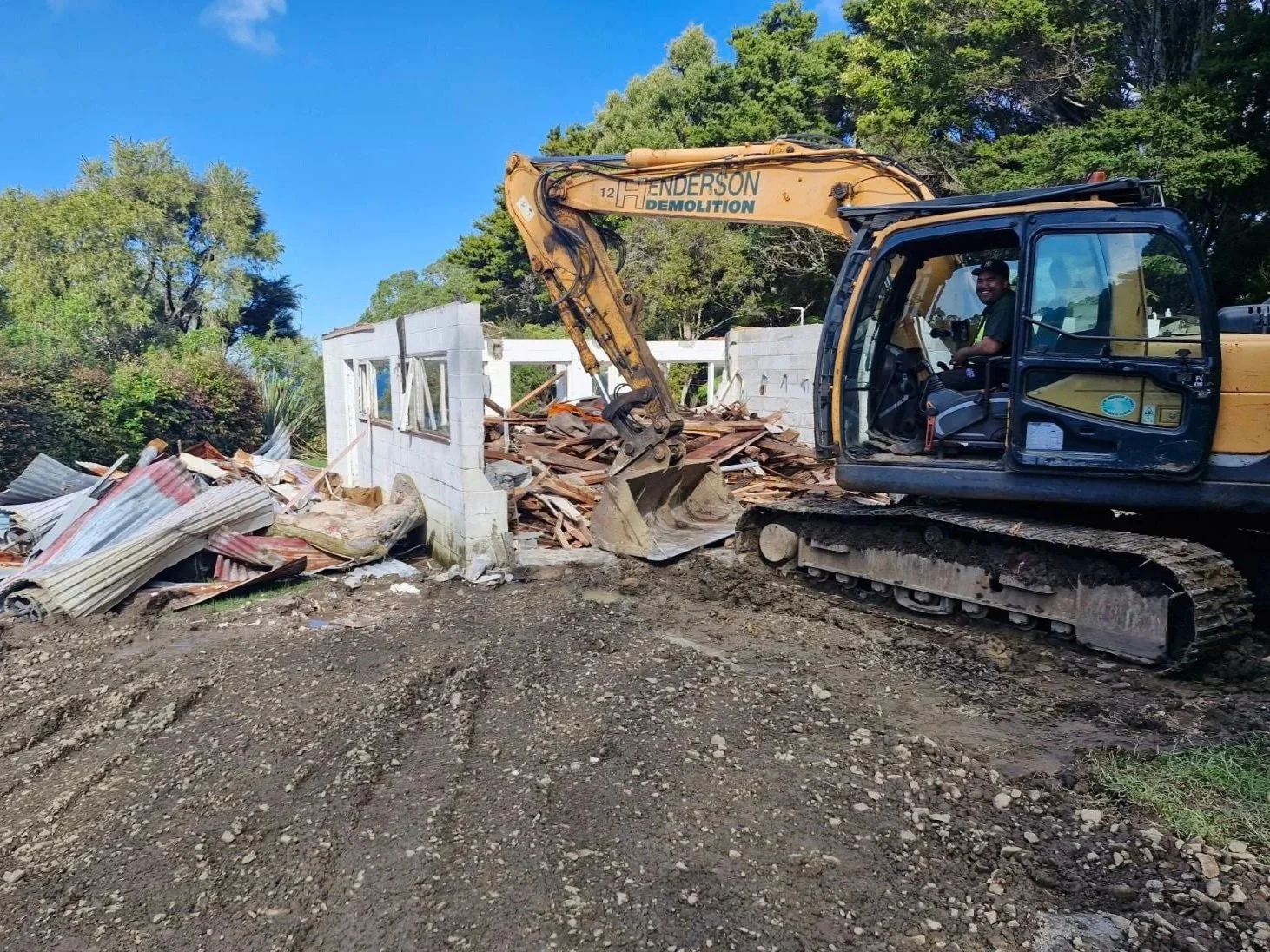
That makes this a good time to ask a simple question:
Do you have all the site information you need before construction starts?
A missing environmental assessment or unresolved site issue might only take up one line in a project programme. But if that assessment later identifies unexpected ground conditions, contamination, asbestos or the need for further investigation, the impact can reach much further.
It can affect design decisions, consenting, procurement, excavation planning, soil disposal and even when contractors can get onto site.
The issue isn't necessarily that something unexpected is found. It's when it's found too late to do anything about it easily.
What can site assessments uncover?
Site assessments can provide information that helps project teams make decisions before construction gets underway.
Depending on the site, investigations may identify:
•Ground conditions that need to be considered during design or construction
•Evidence of historical land use or potential contamination
•Soil or groundwater issues requiring further investigation
•The need for additional sampling or laboratory analysis
•Environmental constraints that need to be addressed before works begin
•Conditions that could affect excavation, soil handling, disposal or remediation
Don't let asbestos become an on-site surprise

For projects involving existing buildings, there is another important consideration: asbestos.
Older buildings can contain asbestos-containing materials in places that aren't immediately obvious.
Wall and ceiling linings, insulation, flooring, roofing products and service areas can all present potential asbestos risks, particularly when refurbishment, demolition or other intrusive work is planned.
Identifying these risks before work begins gives the project team time to arrange the appropriate assessment, management controls and specialist services where required.
It is a very different situation from discovering a potential asbestos-containing material after contractors have already arrived on site.
The earlier the risk is identified, the more options the project team has to manage it.
A useful spring check for project teams
As September comes to an end, many project teams have a clearer picture of which projects are likely to move into construction over the coming months.
Before programmes become harder to move, take a look at the sites coming up and ask:
1. What do we already know?
Review existing environmental, contamination and ground information, including previous reports and known site history.
2. Where are the gaps?
Identify information that is still needed to support design, consenting, procurement or construction planning.
3. What investigations are still required?
Confirm whether GeoSciences, contamination, environmental or asbestos assessments are needed—and when they need to happen.
4. Is there enough time to respond to the findings?
If an assessment identifies something unexpected, there may be a need for further investigation, sampling, laboratory analysis or specialist advice.
Allowing time for this now is much easier than trying to fit it into a programme when mobilisation is already underway.
5. Could the findings change how the work is done?
Consider whether site conditions or environmental risks could affect excavation, soil handling, disposal, remediation, construction methodology or site controls.
This is where early investigation becomes particularly valuable.
Find the problems while there's still time to act
No construction project can eliminate every unknown. The goal of early investigation isn't to predict everything that could happen on site.
It is to identify the issues that can be identified before they become difficult, costly or disruptive to manage.
For developers, that means better information to support design and project decisions.
For main contractors, it can mean greater certainty when planning site works, resources and sequencing.
And if further investigation is required, identifying it early gives the project team time to do it properly.
Before the spring rush begins
With construction activity building over the coming months, now is a useful time to review upcoming projects and check whether the right technical information is in place.
Because the biggest value of an early assessment isn't simply knowing what's on your site. It's having enough time to do something about it.
If you have projects moving towards construction this spring, talk to SQN about your environmental and asbestos assessment requirements before site constraints become programme constraints.